Find Us in Massachusetts
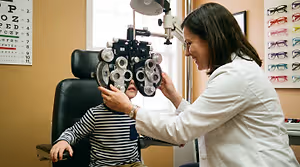
Children depend on their vision every day, whether they are reading in class, writing notes, playing sports, using a tablet, or interacting with the world around them. When a child has an undetected vision problem, it can affect more than eyesight. It can influence confidence, focus, learning, and behavior.
At Lickteig Family Eyecare, pediatric eye exams are designed to evaluate your child’s vision, eye health, and visual development. These exams help detect concerns early, including focusing problems, eye coordination issues, and signs of myopia.
The Connection Between Vision and Learning
A large part of classroom learning depends on the visual system. Children use their eyes to read, copy from the board, follow along on screens, complete homework, and participate in activities.
When vision is not clear or comfortable, children may struggle in ways that are not always obvious. A child may avoid reading, lose their place on the page, complain of headaches, or seem distracted during schoolwork. In some cases, parents may assume the issue is attention-related when the root cause may be visual.
Pediatric eye exams can help determine whether your child’s eyes are working well together and whether their vision is supporting their learning.
Why School Vision Screenings Are Not Enough
School vision screenings can be helpful, but they are limited. Most screenings focus on whether a child can see clearly at a distance. They may not detect problems with focusing, eye teaming, tracking, depth perception, or overall eye health.
A comprehensive pediatric eye exam looks deeper. Your optometrist can evaluate how your child’s eyes function together, whether they need glasses, and whether there are signs of conditions that require monitoring or treatment.
This is especially important because children do not always know how to describe what they are seeing. They may think blurry or uncomfortable vision is normal.
Common Signs Your Child May Need an Eye Exam
Parents should consider scheduling a pediatric eye exam if their child shows signs such as:
- Squinting
- Sitting too close to screens
- Holding books or tablets very close
- Frequent headaches
- Eye rubbing
- Covering one eye
- Tilting the head while reading
- Losing their place on the page
- Avoiding reading or homework
- Complaints of blurry or double vision
- Trouble with hand-eye coordination
Even if your child does not show symptoms, regular exams are still important for monitoring healthy visual development.
Understanding Myopia in Children
Myopia, or nearsightedness, causes distant objects to appear blurry while close-up objects may remain clear. It often begins in childhood and can progress as children grow.
Myopia is more than a glasses prescription. Higher levels of myopia can increase the risk of certain eye health issues later in life. That is why regular monitoring is so important.
At Lickteig Family Eyecare, pediatric exams check for signs of myopia and changes in your child’s vision over time. When appropriate, myopia management may be recommended to help slow progression and support long-term eye health.
Options may include specialized treatments such as MiSight® contact lenses or ortho-k lenses, depending on your child’s needs and exam findings.
What to Expect During Your Child’s Visit
At Lickteig Family Eyecare, pediatric eye exams are tailored to your child’s age, development, and comfort level. The goal is to create a positive experience while gathering the information needed to understand their visual system.
Your child’s exam may include:
- Visual clarity testing
- Prescription evaluation
- Eye alignment testing
- Focusing and tracking assessment
- Eye health evaluation
- Discussion of school, screen use, and symptoms
Helping Kids Feel Comfortable at the Eye Doctor
A calm, positive approach can make the visit easier for children. Before the appointment, explain that the eye doctor will check how their eyes see and work together. Avoid using words that may sound scary, and remind them there are no wrong answers during the exam.
You can also bring their current glasses, a list of symptoms, school concerns, or notes from a teacher. These details help your optometrist understand how your child’s vision may be affecting daily life.
Why Choose Lickteig Family Eyecare for Pediatric Eye Care?
At Lickteig Family Eyecare, our team provides medically focused, patient-first eye care for children and families. We care for children starting at age four and use advanced diagnostic tools to support accurate evaluations and personalized recommendations.
Whether your child needs their first exam, an updated prescription, or monitoring for myopia, we are here to help protect their vision as they grow.
Schedule a Pediatric Eye Exam at Lickteig Family Eyecare
Healthy vision helps children learn, play, and develop with confidence. A comprehensive pediatric eye exam can detect concerns early, support school success, and help protect your child’s long-term eye health.
Contact Lickteig Family Eyecare today to schedule your child’s eye exam.
Frequently Asked Questions
When should my child have an eye exam?
- Children should have eye exams at important stages of development and before school concerns become more serious. Lickteig Family Eyecare provides pediatric eye care for children starting at age four.
Is a school vision screening enough?
- No. School screenings can detect some distance vision problems, but they do not replace a comprehensive pediatric eye exam.
Can vision problems affect learning?
- Yes. Vision issues can affect reading, focus, writing, classroom participation, and confidence.
What signs may mean my child needs an eye exam?
- Squinting, headaches, eye rubbing, sitting too close to screens, holding books close, or avoiding reading may all indicate a vision concern.